
TCM Diagnostic Methods at Elemental Acupuncture — Tuckahoe, NY & Bryant Park, NYC
Traditional Chinese medicine relies on a sophisticated set of diagnostic tools that allow a skilled practitioner to identify patterns of imbalance throughout the body without invasive testing. At Elemental Acupuncture, Dr. Bethany Leddy, DACM, MSOM uses three primary methods of TCM diagnosis — pulse diagnosis, tongue diagnosis, and abdominal diagnosis — to form a precise, individualized picture of each patient’s health. These time-honored techniques, refined over thousands of years, provide information that guides every acupuncture and herbal treatment plan.
Request an AppointmentPulse Diagnosis
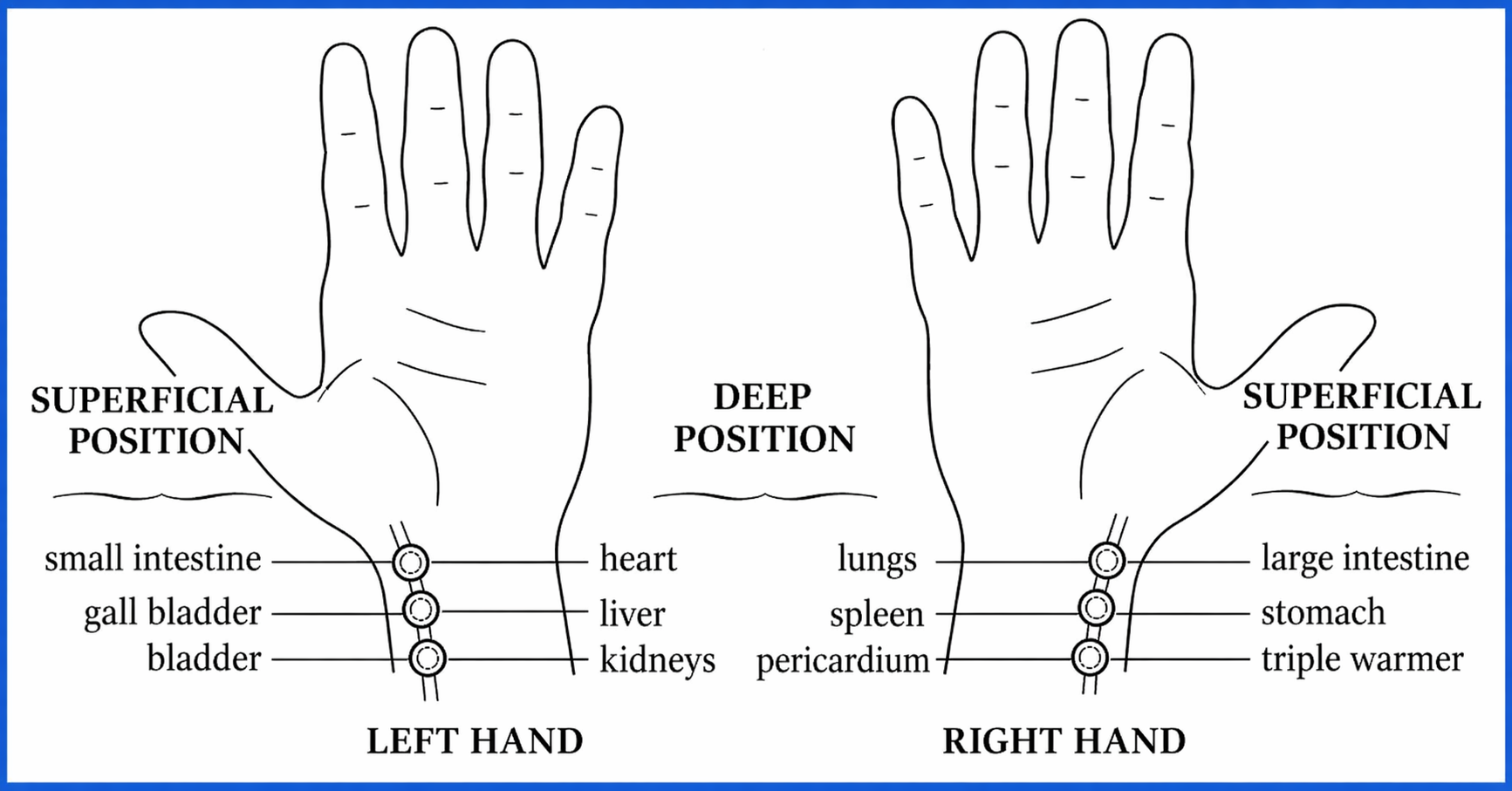
Pulse diagnosis is one of the most sophisticated and nuanced tools in traditional Chinese medicine. Dr. Leddy assesses the strength, rhythm, and quality of the radial pulse at the wrist to determine the relative balance of qi, blood, yin, and yang within the body. Different positions along the radial pulse correspond to different organ systems and the five elements, allowing her to identify which organ meridians are deficient, stagnant, or excessive. The pulse is a central component of determining your primary pattern of imbalance and selecting the most appropriate acupuncture points and herbal formulas. Mastering pulse diagnosis requires years of clinical training — Dr. Leddy’s 22 years of experience means her assessments are precise and clinically meaningful.
Tongue Diagnosis
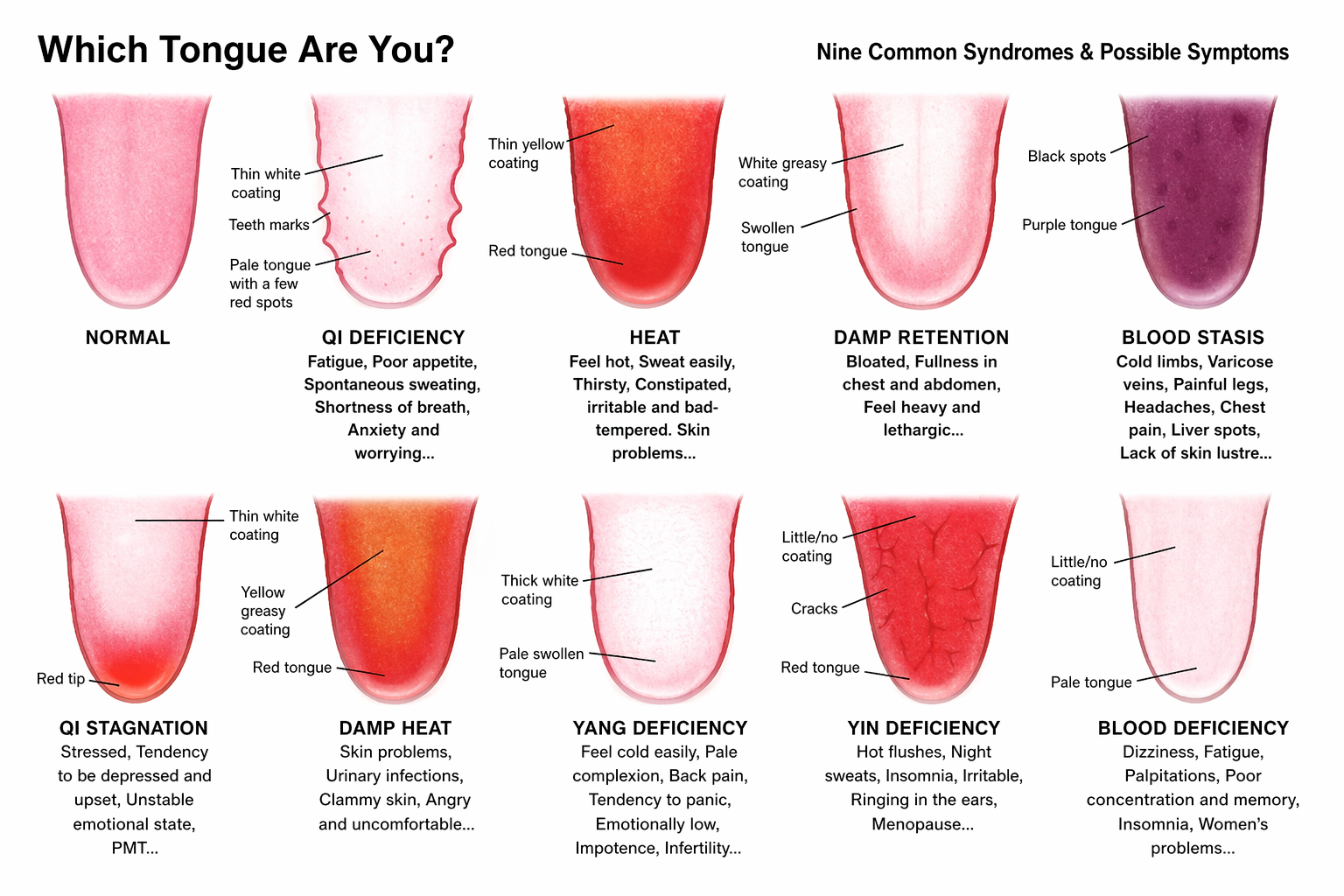
The tongue is a direct reflection of the internal state of the body in TCM. Dr. Leddy performs a visual assessment of the tongue’s color, coating, shape, and moisture at every appointment. A pale tongue may indicate blood or qi deficiency, while a red tongue often signals heat. A thick, greasy coating may suggest dampness or phlegm accumulation, while a thin or absent coating can point to yin deficiency. The body of the tongue itself — its size, shape, cracks, and any discoloration — provides additional information about the condition of specific organ systems. Tongue diagnosis is used alongside pulse assessment to confirm diagnostic patterns and track therapeutic progress over the course of treatment.
Abdominal Diagnosis
Abdominal palpation is a diagnostic method drawn from both classical Chinese and Japanese acupuncture traditions. By gently palpating specific zones of the abdomen that correspond to internal organs and the five elements, Dr. Leddy can gain further insight into your diagnostic pattern — noting areas of tenderness, fullness, deficiency, or rigidity. This method is particularly useful for confirming patterns identified through pulse and tongue diagnosis and for guiding the selection of acupuncture points on the abdomen itself. Together, these three diagnostic methods form a comprehensive, whole-body assessment that informs every treatment Dr. Leddy provides. To learn more about how she applies these methods in practice, visit our My Technique and Your First Visit pages.
Call (646) 872-1181 or request an appointment at our Tuckahoe or Bryant Park office to experience comprehensive TCM diagnosis firsthand.
Frequently Asked Questions — Methods of Diagnosis
What is pulse diagnosis in Chinese medicine?
Pulse diagnosis involves assessing the strength, rhythm, depth, and quality of the radial pulse at the wrist. Different positions along the pulse correspond to different organ systems, allowing Dr. Leddy to identify patterns of imbalance — such as deficiency, stagnation, or excess — in specific meridians and organs throughout the body.
What does tongue diagnosis reveal about my health?
The tongue’s color, coating, shape, and moisture reflect the internal state of the body. A pale tongue may signal blood deficiency; a red tongue can indicate heat. Coating thickness and texture reveal the presence of dampness, phlegm, or digestive issues. Tongue diagnosis is a key tool for confirming diagnostic patterns identified through pulse assessment.
Is abdominal diagnosis the same as a physical exam?
Not exactly. TCM abdominal diagnosis involves gently palpating specific zones of the abdomen that map to internal organs and the five elements. It is not the same as a Western physical exam but provides complementary diagnostic information about organ function and energy patterns from a Chinese medicine perspective.
Will Dr. Leddy perform these diagnostic assessments at every visit?
Yes, pulse and tongue diagnosis are typically performed at every appointment to track your progress and make any adjustments needed to your treatment plan. Abdominal assessment is performed as clinically indicated.
How accurate is TCM diagnosis?
TCM diagnosis has been refined over 3,000 years of clinical observation. When practiced by a skilled, experienced clinician like Dr. Leddy, pulse and tongue diagnosis provide reliable, reproducible insights into the state of the body’s energy systems. These methods are complementary to — not a replacement for — Western medical diagnostics.
Do I need to prepare anything special before my diagnostic assessment?
Avoid brushing your tongue on the morning of your appointment, as this removes the coating Dr. Leddy needs to assess. Avoid strong foods like coffee, beets, or berries that could alter tongue color before your visit. Come in a rested, calm state when possible.
How do diagnostic findings guide my acupuncture treatment?
The diagnostic picture Dr. Leddy builds from pulse, tongue, and abdominal assessment determines which acupuncture points are selected, which herbal formulas are prescribed, and which complementary therapies like moxibustion or cupping may be most beneficial. Treatment is always tailored to your individual diagnostic pattern, not a generic protocol.